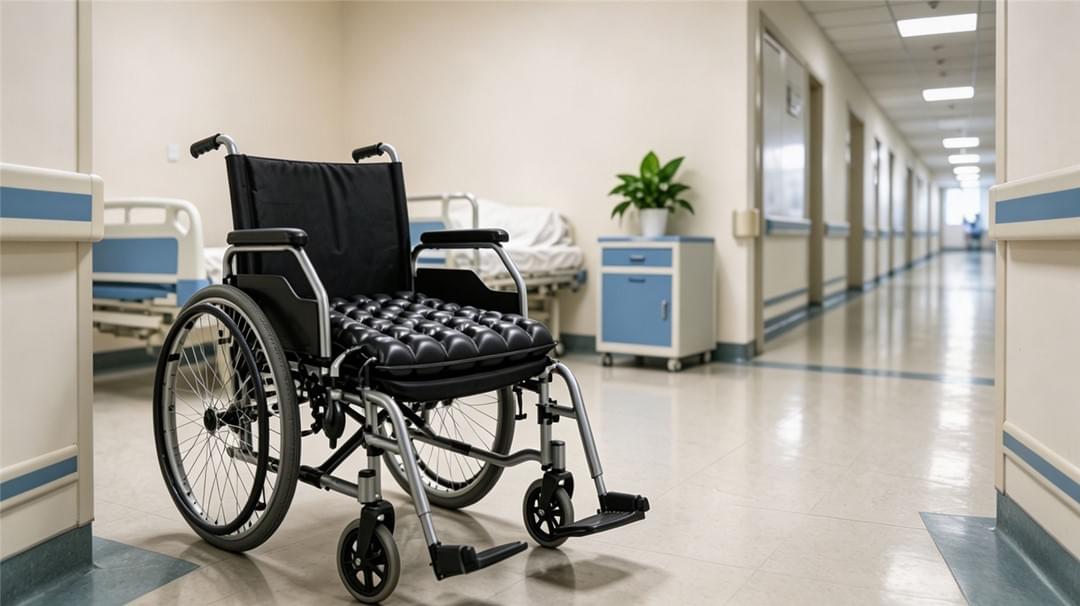
A complete wheelchair pressure sore cushion supplier guide covering technology comparison (foam, gel, air, inflatable), TCO analysis, clinical selection criteria, and bulk procurement framework. Reduce facility pressure ulcer incidence by up to 60% with the right cushion strategy.
Why Pressure Ulcers Are the #1 Preventable Expense in Healthcare Facilities
Pressure ulcers — also called bedsores, pressure sores, or decubitus ulcers — cost the U.S. healthcare system an estimated $26.8 billion annually. For individual facilities, a single Stage 4 pressure ulcer can generate treatment costs between $10,000 and $125,000. Yet studies consistently show that 95% of all pressure ulcers are preventable through proper positioning, regular repositioning, and critically — the right pressure redistribution surface.
For any reliable wheelchair pressure sore cushion supplier, the value proposition is straightforward: investing $30-$80 per unit in quality cushions can prevent thousands of dollars in treatment costs per patient. The math overwhelmingly favors prevention — and cushions are the most cost-effective tool in that prevention toolkit.
Foam vs. Gel vs. Air vs. Inflatable: Which Cushion Fits Your Clinical Setting?
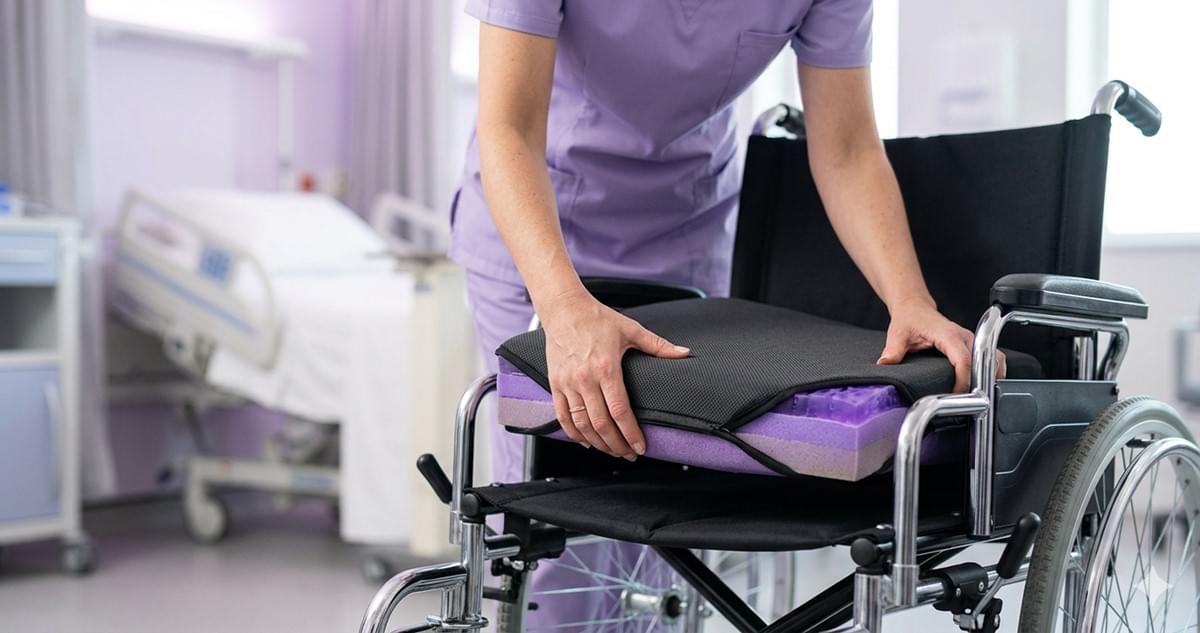
Not all pressure relief cushions perform equally across clinical scenarios. The right choice depends on patient risk level, staff capacity for maintenance, budget constraints, and facility environment. Here’s how each technology stacks up:
The key insight for procurement teams: inflatable air cushions deliver the best price-to-performance ratio for long-term care settings. They outperform foam on pressure redistribution while costing 60-80% less than gel or alternating-air systems. This makes them the strategic choice for facilities managing large wheelchair fleets where budget efficiency matters as much as clinical outcomes.
Why Inflatable Anti-Decubitus Cushions Dominate Long-Term Care Procurement
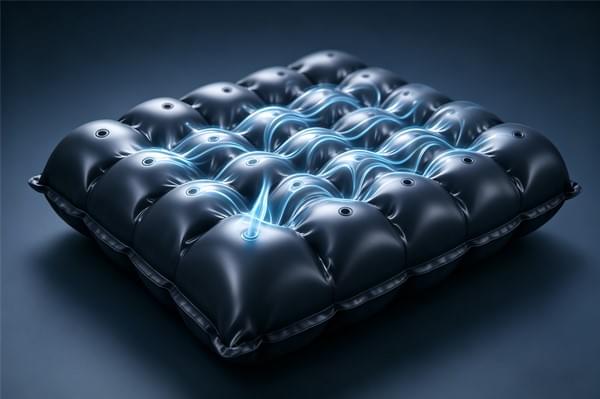
Inflatable wheelchair cushions have emerged as the fastest-growing segment in pressure relief products — and for good reason. They combine three advantages that directly address nursing home and hospital pain points:
Air pressure can be customized for each user’s weight and risk profile. A 45kg elderly woman needs different support than a 110kg bariatric patient — one cushion model handles both by simply adjusting inflation.
The concave-convex surface design creates subtle pressure variation during movement, acting like a gentle massage that stimulates circulation in the buttocks and thighs — directly targeting the ischemia that causes tissue breakdown.
High-grade polymer materials stay soft in winter and breathable in summer — unlike gel cushions that harden in cold rooms or foam that traps heat and moisture, creating the exact conditions pressure ulcers need to form.
For a wheelchair pressure sore cushion supplier serving institutional buyers, the business case is compelling: lower per-unit cost, broader patient applicability, longer service life, and reduced warranty claims compared to foam alternatives.
Satcon Square Inflatable Anti-Bedsore Cushion: Designed for Clinical Environments
Built specifically for hospitals, nursing homes, and distributors who need reliable, cost-effective pressure relief solutions at scale. Every design decision addresses a real-world clinical challenge:
Needle-free thermal bonding process eliminates stitch holes — the #1 failure point in inflatable cushions. Stronger seal integrity means fewer air leaks, lower replacement frequency, and zero risk of needle puncture injury to patients.
Ergonomic multi-vent hole design distributes body weight across a wider surface area while maintaining airflow. Dry seating environment cuts off the warm-moisture conditions in which bacteria thrive — reducing infection risk alongside pressure injury.
Premium high-grade molecular material construction stays pliable year-round — no hardening in unheated rooms, no sweating in summer. This material consistency is critical for facilities without climate-controlled storage.
| Product Model | Square Inflatable Anti-Bedsore Wheelchair Cushion |
| Construction | Heat-bonded (needle-free), reinforced seams |
| Surface Design | Concave-convex perforated pattern with ergonomic pressure distribution |
| Material | Thickened high-grade polymer fabric — temperature-stable, breathable |
| Certification | CE certified | ISO 13485 compliant manufacturing |
| MOQ | 10 units (trial orders welcome) |
| OEM Available | Custom logo, color, packaging — private label supported |
Bulk Order Checklist: What Your Wheelchair Pressure Sore Cushion Supplier Must Deliver
Before placing your next cushion order, use this framework to evaluate suppliers. Cut this list and send it to your vendor — their answers will tell you everything about their reliability as a long-term partner:
A trustworthy anti-decubitus cushion supplier will answer yes to all five without hesitation. Any evasion or “we’ll get back to you” on certification questions is a signal to look elsewhere.
Ready to Source CE-Certified Anti-Decubitus Cushions at Scale?
Satcon Medical has supplied inflatable pressure relief cushions to hospitals and distributors in 30+ countries since 2010. Trial orders from 10 units. OEM customization available. Get a quote within 24 hours.
WhatsApp: +86 183 3183 3767 | MOQ: 10 units | Lead time: 7-15 days